Sell gold jewelry and scrap gold in Boston
Old rings, chains, class rings, watch cases and broken pieces. We test the karat and weigh everything in front of you.
Selling gold jewelry in Boston
Boston is a college town many times over, and class rings are some of the most common gold we buy. Harvard, BC, BU, Northeastern, MIT and dozens of high schools all made them heavy in the 1960s and 1970s. Most sell for their gold weight.
Old jewelry boxes also hold broken chains, earrings without partners and wedding bands from past generations. A gram of 14K gold is worth the same whether the piece is whole or broken.
If a piece is signed by a known maker or set with a large stone, we will say so. Those can be worth more as jewelry than as gold.
Reading the marks inside your jewelry
Most American gold jewelry is stamped with its karat: 10K, 14K or 18K. European pieces often use numbers instead: 417, 585 or 750. Older pieces may have worn stamps or none at all.
Other marks matter too. GF means gold-filled, GP or GEP means gold-plated, and RGP means rolled gold plate. All three hold very little gold. We read every mark and test anything unclear.
How the gold offer is calculated
We weigh each karat group in grams, multiply by its gold purity, and apply the live spot price for pure gold. The offer is a fixed share of that figure, and the share is printed on the sheet. You can check every step with a calculator.
Because the math is visible, you can compare our offer with any other buyer quickly. Most Boston sellers who shop around find our numbers hold up.
Jewelry that should not be melted
Antique pieces, signed work from well-known jewelers and rings with good diamonds can be worth more as jewelry than as scrap. We look for maker marks, old styles and large stones before we weigh anything.
Gold we see in Boston jewelry boxes
Greater Boston jewelry boxes hold a familiar mix. Here is what we see most and how it usually sells.
- Class rings from local colleges and high schools: sold by weight
- Wedding bands and engagement settings: sold by weight, stones noted
- Charm bracelets with gold charms: sold by weight, charms included
- Irish Claddagh rings and Celtic pieces: sold by weight
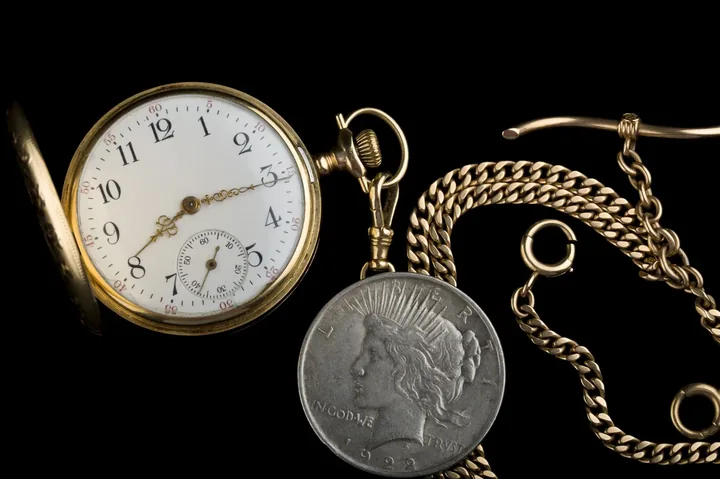
- Gold pocket watches and cases: by weight or as watches if collectible
- Broken chains and single earrings: sold by weight
Selling gold without the runaround
Many Boston sellers have had the experience of walking into a shop, handing over a bag of gold and getting a single number back with no explanation. We work differently. You see every piece tested and weighed. You see the karat groups, the weights and the spot price. The math is on paper.
If you want to think it over, take the paper home. If you want to compare with another buyer, take the paper with you. Most people who do that come back, because the numbers hold up. If you decide to sell, payment is the same day.
Gold we buy
- Rings and wedding bands
- Class and school rings
- Chains, bracelets and necklaces
- Earrings, single or paired
- Gold watches and cases
- Dental gold
- Pocket watch chains and fobs
How gold jewelry is priced
We sort pieces by karat, test anything unmarked and weigh each group. The offer follows the live gold price for the pure gold content: 10K is 41.7 percent gold, 14K is 58.3 percent and 18K is 75 percent.
Gold-filled and plated items hold very little gold, and we will tell you before pricing them.
Further reading: What old coins are worth money?
Common questions
- What is my class ring worth?
- Most class rings are 10K or 14K gold and sell by weight. A heavy men's ring can hold a good amount of gold. We weigh it in front of you.
- Do you buy broken jewelry?
- Yes. Broken gold sells by weight just like whole pieces.
- What does GF stamped on gold mean?
- GF means gold-filled, a thin layer of gold over another metal. It holds little gold value.
- Do you buy gold-filled watches?
- We buy gold-filled cases only for any collector value as watches. Gold-filled metal holds very little gold.
- Can I sell a single earring?
- Yes. Gold sells by weight, so even small pieces count.